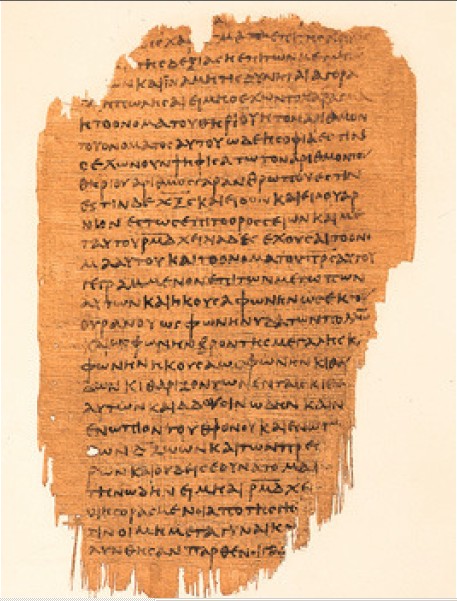
Understanding Apocalypse: The Name of World's End Prophecy
Humanity has long been captivated by the idea of an ultimate end – a grand finale to existence as we know it. From ancient myths to modern blockbusters, the concept of a "world's end prophecy" resonates deeply within our collective consciousness. If you've ever pondered the profound question,
Hoe Heet De Profetie Betreffende Ondergang Van De Wereld? (What is the name of the prophecy concerning the demise of the world?), you're not alone. The definitive answer, often found in crosswords and philosophical discussions alike, is a single, powerful word:
Apocalypse.
This article delves into the rich history and multifaceted meaning behind this intriguing term. We’ll explore its origins, its enduring influence across cultures and religions, and how its interpretation continues to shape our understanding of humanity's future, whether literal or metaphorical.
Decoding the "World's End Prophecy": What's in a Name?
The word "Apocalypse," or "Apocalyps" in Dutch – a perfect 9-letter fit for many a cryptic puzzle – holds a weight far beyond its simple definition. Its etymology provides a crucial insight into its original meaning, which is often overshadowed by its contemporary usage. Derived from the ancient Greek word *apokalypsis* (ἀποκάλυψις), it literally means "uncovering," "unveiling," or "revelation." In its truest sense, an apocalypse was not necessarily about destruction, but about the disclosure of something previously hidden, often a divine truth or secret knowledge about the future.
However, over centuries, particularly influenced by specific religious texts, the term evolved to signify a catastrophic conclusion – a dramatic, often violent, end to the world. This dramatic shift in meaning from "revelation" to "cataclysm" is central to understanding why this single word has become synonymous with the ultimate "profetie betreffende de ondergang van de wereld." It encapsulates both the dramatic unfolding of events and the profound implications of what is revealed.
The Biblical Roots of Apocalypse
The most significant driver behind the modern understanding of "Apocalypse" is undeniably the Christian Bible, specifically the Book of Revelation (also known as the Apocalypse of John). This highly symbolic and often terrifying text describes visions of the end times, a period of immense tribulation, divine judgment, and ultimately, the establishment of a new heaven and a new earth.
Key elements from the Book of Revelation have permeated Western culture, shaping our imagery of the world's end:
* The Four Horsemen of the Apocalypse, representing conquest, war, famine, and death.
* The battle of Armageddon, a climactic clash between good and evil.
* The anti-Christ, a figure of ultimate malevolence.
* The eventual triumph of good and the establishment of the New Jerusalem, symbolizing ultimate redemption and renewal.
It's crucial to note that even within this foundational text, the "apocalypse" is not solely about destruction. It’s a narrative of profound transformation, revealing God's ultimate plan and leading to a renewed creation. This duality – destruction paving the way for a new beginning – is a recurring theme in many end-of-world prophecies. For a deeper dive into this biblical narrative, consider reading
Apocalypse: The Prophecy of World's End Revealed.
Beyond the Bible: Diverse Visions of Global Demise
While the Christian Apocalypse is prominent, humanity's fascination with the end has manifested in countless other cultural and religious traditions. The concept of a "profetie betreffende de ondergang van de wereld" is a near-universal phenomenon, reflecting shared human anxieties and hopes.
Consider these diverse apocalyptic narratives:
*
Norse Mythology – Ragnarök: This epic tale describes the "Doom of the Gods," a series of cataclysmic events including a great winter (Fimbulwinter), mighty battles involving gods and mythical beasts, and the destruction of the cosmos. Yet, Ragnarök also speaks of a rebirth, where a few gods and humans survive to repopulate a new, greener world.
*
Hinduism – Kali Yuga: Hindu cosmology operates on vast cycles of creation and destruction. We are currently believed to be in the Kali Yuga, the last and most degenerate of the four great yugas (ages). It's an era marked by conflict, moral decline, and spiritual degradation, ultimately leading to the destruction of the world and a new cycle of creation. Vishnu, in his final avatar Kalki, is prophesied to appear at the end of Kali Yuga to rid the world of unrighteousness.
*
Mayan Calendar – The End of an Era: The infamous end-date of the Mayan Long Count calendar (December 21, 2012) was widely misinterpreted as a prophecy of the literal end of the world. In reality, it marked the completion of a grand cycle (a *b'ak'tun*) and the beginning of another, a moment of transition and renewal rather than ultimate destruction.
*
Zoroastrianism – Frashokereti: This ancient Persian religion envisions a final renovation of the world, leading to a perfect state where evil is eradicated, and the righteous are resurrected. It's a progressive, albeit dramatic, purification of existence.
These varied prophecies, while distinct in their specifics, often share common thematic threads: a period of intense suffering or chaos, a final judgment, and ultimately, a transformation or renewal. They speak to a primal human need to understand beginnings and endings, and to find meaning in the grand narrative of existence.
Navigating the Prophecy: Practical Insights and Critical Thinking
Understanding the history and cultural impact of "Apocalypse" is one thing, but how do we approach these prophecies in a modern context? The prevalence of the "profetie betreffende de ondergang van de wereld" in both ancient texts and contemporary media offers several insights and actionable approaches.
Understanding the Enduring Appeal
Why do prophecies of the end of the world continue to fascinate us?
- Search for Meaning: Apocalyptic narratives often provide a grand framework for understanding life, suffering, and purpose. They offer a sense of direction, even if that direction is towards an end.
- Coping with Uncertainty: In times of crisis or rapid change, prophecies can offer a paradoxical sense of control – if the future is predetermined, there's a framework, however bleak.
- Moral Reflection: Many apocalyptic visions serve as cautionary tales, urging humanity to reflect on its actions, ethics, and relationship with the divine or the natural world. They often carry a strong moral imperative.
- Hope for Renewal: Crucially, most end-of-world scenarios are not purely nihilistic. They often contain the promise of a better world, a purified existence, or a new beginning after the destruction. This hope is a powerful psychological draw.
Approaching Modern Apocalyptic Scenarios
Today, our "apocalypses" often take secular forms, fueled by scientific warnings and geopolitical anxieties: climate change, pandemics, nuclear war, AI existential threats, or asteroid impacts. While these are not "prophecies" in the traditional religious sense, they tap into the same deep-seated fears and desires for understanding and survival.
When encountering such scenarios, whether ancient or modern:
- Cultivate Critical Thinking: Distinguish between literal interpretations, metaphorical meanings, and sensationalist claims. Understand the source and context of the prophecy or warning.
- Focus on Agency: Instead of succumbing to fear or fatalism, consider what actions *can* be taken. Many prophecies, in their original intent, were calls to ethical action and repentance, not just passive observation.
- Learn from History: Humanity has faced countless perceived "ends" throughout history – plagues, wars, famines. Each time, societies adapted, rebuilt, and found new ways forward.
- Embrace "Revelation": Revert to the original meaning of apocalypse. What does a particular crisis or prophecy *reveal* about ourselves, our society, our values, or our planet? What hidden truths are being uncovered that demand our attention and response?
For those who enjoy unraveling complex clues, the question "Hoe heet de profetie betreffende de ondergang van de wereld?" is a classic. The satisfying nine-letter answer, APOCALYPS, encapsulates not just a word, but millennia of human grappling with destiny. If you're tackling such linguistic challenges, you might find more help at
Solve the Crossword: End of World Prophecy (9 Letters).
The Enduring Value of "Revelation" in Understanding Our World
Ultimately, the concept of apocalypse, whether ancient prophecy or modern doomsday scenario, serves as a powerful mirror for humanity. It reflects our deepest anxieties about loss, our yearning for justice, and our persistent hope for renewal. By exploring the various forms of "profetie betreffende de ondergang van de wereld," we gain not just historical knowledge, but profound insights into the human condition itself. It teaches us about our capacity for destruction, but more importantly, about our enduring resilience, our quest for meaning, and our ability to imagine and strive for a better future, even in the shadow of potential endings.
In conclusion, the word "Apocalypse" is far more than just the answer to a crossword puzzle about the world's end prophecy. It is a concept steeped in history, rich with cultural and religious significance, and continually reinterpreted in our modern world. It is a revelation of our collective fears and aspirations, urging us to reflect, to understand, and perhaps, to unveil a path towards a more conscious and sustainable future.